It is important to know how to store raw ingredients in your pet food. Keep in mind the following: regulations, safety precautions, common storage methods. This article will explain how to store raw pet food and the best commercial freezers.
Precautions to protect human and animal health
There are a number of precautions to take when storing raw ingredients in pet food. These include avoiding contamination of raw ingredients with foreign material, chemicals, and adulterated ingredients. Pet food manufacturers should be required to implement rigorous safety and quality control measures, including the appropriate testing of raw ingredients. Ingredients should undergo chemical, foreign, and microbiological testing.
Pet Food Ingredient Packaging - Tips For Finding Great
Many owners underestimate the microbiological risk associated with storing pet food raw ingredient. A recent worldwide internet-based survey of pet owners found that only a few of them followed best practice recommendations for food safety. While one in four respondents used gloves and dedicated work surfaces, only one-third said that they had complied with safety recommendations for handling and storing foods.
Pet Food Ingredient Packaging - Tips To Find The Right One
Pet food should be kept dry and in a cool place to prevent contamination. The recommended storage period for canned dog food is seven days. Raw food should not remain in the fridge for longer than three days. Pet food should be used within four to 5 days of being frozen.
It is important to ensure that raw ingredient pet food is kept in its original packaging to protect animal and human health. This will reduce the risk of foodborne disease and preserve the food's nutrients. Most manufacturers have invested considerable time and research into packaging and labeling.
Pet Food Ingredient Packaging - Tips For Finding The Right One
 While a small number of respondents claim to always use fresh ingredients in pet food, most rely on the frozen method to preserve meat. For the majority, meat was frozen and stored for more than three months. Three months is the recommended time for meat to be frozen, but this should not be exceeded for all meat types. Many owners prefer to defrost meat at room temperature as this can encourage bacterial growth.
The FDA Amendments Act requires pet food manufacturers to adhere to certain food safety standards. Foods contaminated with Salmonella serovars are considered adulterated and must be recalled or sequestered.
Pet Food Ingredient Packaging - Tips To Find (& Hire) The Best Company
Common methods of storing raw pet food
It is important to properly store raw pet food ingredients. Keeping them at room temperature will help avoid cross-contamination. Also, keep them away from extreme temperatures as they could cause damage to the product. You can store raw pet food ingredients in a refrigerator or freezer.
Pet food ingredients may include plant or animal co-products, vitamins, minerals, and preservatives. Many of these ingredients are approved by the U.S. Department of Agriculture, the same agency that regulates human foods. These additives help prevent the pet food from spoiling, which can have negative effects on your pet's health.
Frozing raw pet food ingredients is the most popular method. This allows them to be stored for longer periods without risk of spoilage. It is best to keep raw pet food apart from human-grade food. You should use separate cutting boards when storing raw pet food. To thaw, you can place the frozen food in a bowl on the counter. It is important to not leave the frozen food out for longer than an hour.
Raw pet food is often in pellets, patties, or nuggets. These are easy to use and can be portioned easily. Instinct freeze-dried raw food patty, for example, can be mashed, crumbled, or served whole. Regardless of how you prepare them, it's important to discard any leftovers within thirty minutes.
Pet Food Ingredient Packaging - Tips For Finding The Best Company
Proper pet food storage is crucial to maintain the nutritional and sensory properties of the foods that you buy for your pets. Proper storage can cause food spoilage and reduce its quality. However, most pet owners follow good storage management practices. The temperature of the room is one of the most important parameters in storage. If possible, avoid room temperature as it can increase rancidity.
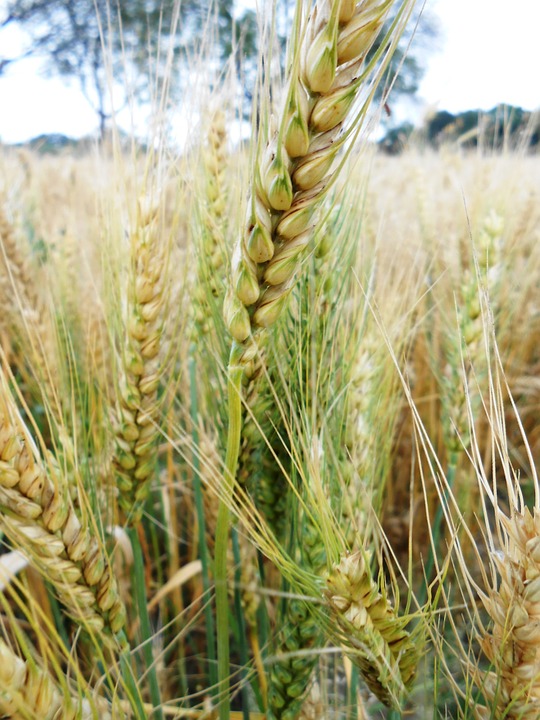
You should ensure that raw pet food ingredients are not exposed to extreme temperatures. Dry pet food has a shelf life of three to five years, which is longer than wet food. There is little chance of losing nutritional value during this time. A few pet food manufacturers also use natural preservatives.
Optimal storage of raw pet food in commercial freezers
Optimal storage of raw pet food ingredients is crucial to prolong shelf-life and delay the development of spoilage microorganisms and degenerative chemical processes. The food's nutritional profile and the storage method can affect the risk of spoilage. Dry foods are at greatest risk due to their high levels of lipids.
Pet Food Ingredient Packaging - Tips For Choosing
Proper labeling and storage are essential for optimal storage of raw pet food ingredients. It is best to store the raw food separately from the commercial food, and make sure it is thoroughly sanitized after every feeding. Similarly, you should avoid touching the mouth of your pet after feeding it with raw food.
Raw pet food can contain bacteria and other contaminants that could make pets and humans sick. Proper food safety procedures should be followed when preparing food and storing it in commercial freezers. It is important to wash your hands after handling food. To ensure food preservation, it is important to use a freezer that has a tight seal.
A recent survey reveals that one in every ten pet food owners uses an unresealable zipper or plastic bag for packaging. But one in ten owners used clothespins, adhesive tape, rubber bands, and resealable zip locks to seal the bag. The remaining eight percent of owners said they use tinfoil or plastic wrap to seal the bag. And one in ten owners said they found an abnormal odor or malodor after opening an unexpired package. Six percent of owners said malodors developed from using the product frequently. In addition, three percent of owners found bugs or larvae during regular use.
Proper food preservation is crucial to ensure your pet's health and well-being. Incorrect storage practices can result in irreparable damage. A survey was conducted to collect data regarding pet owners' storage practices and the types of pet food they purchase and keep. Although most owners followed good storage practices, room temperature was often overlooked, which can lead to rancidity and spoilage.
Regulations for storing raw pet food
Although it is possible to make a raw pet food recipe at your home, it is not easy to store the ingredients safely. It is important to consider the risks associated with raw pet food handling. Several factors can lead to illnesses, including exposure to pathogens found in the animal's feces. These risks should be minimized by establishing regulations.
The food industry is faced with a regulatory gap when it comes to storing raw pet food ingredients. While many agencies enforce regulations regarding food storage and handling, few agencies have the authority to regulate retail outlets. The majority of pet food establishments sell either frozen or refrigerated versions.
In addition to the risks involved in handling raw pet food ingredients, raw foods can also pose serious health risks. Infectious diseases are more common in pets who are on immunosuppressive therapy or have immune diseases. Although the FDA doesn't recommend feeding raw pet food, it does suggest that owners avoid giving their pets untreated meat to reduce the risk for infection. In addition, raw pet foods are not regulated by the government, so the risk of contamination is higher.
Raw pet food ingredients can contain bacteria, including Salmonella. Most of these bacteria are harmless to humans. However, some people are allergic to raw meat. Because of the risk of developing salmonella, it is important to ensure that the food is not adulterated. Although bacteria can be found in raw meat, it is important to ensure that your pet food does not contain harmful organisms.
A home kitchen cannot meet these requirements. These regulations can be met by a commercial kitchen. California's Department of Public Health regulates commercial kitchens. It's also necessary to apply for a license before slaughtering, importing, or processing raw ingredients.
Raw food ingredients should be kept cool. They should be properly packed and kept in an airtight container. Keep them out of reach of other foods. Never freeze raw food. Moreover, make sure that the raw food is clean and dry before using it.
Comments
Post a Comment